Showing posts with label Bugatti. Show all posts

Saturday, December 11, 2010

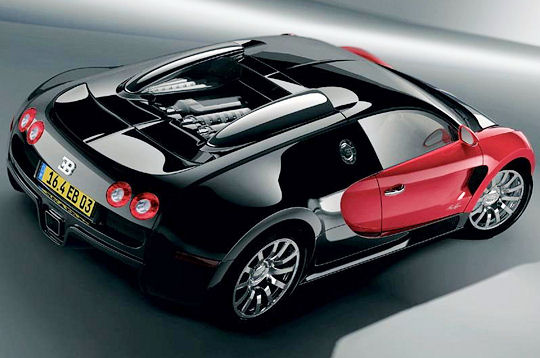
Bugatti Veyron 16.4 Super Sport

Loris Bicocchi's tan, cherubic face leers at me from the passenger seat, his eyes wide behind Prada shades. It is the most animated I've seen my oh-so-cool Italian co-pilote since our drive began.

"VOW! From this seat, it just feels... so different. So AMAZING!"

And to think, all I had to do was pass a slow-moving farm truck in the most modest way possible. Rather than toggling the lever from Drive to Sport, or clicking the downshift paddle back in a come-hither motion, I overtake the truck the old-fashioned way: by burying my right foot.
For half a beat, nothing happens. Then there is an explosive lurch from the hindquarters, as the 20-inch tall, 365 rears engage in a brief, but victorious, battle for traction. All four wheels hook, leaving our stomachs and the Spanish countryside behind us in a hot wake of exhaust gas. I lift my foot and the wastegates reply with a full-bodied belch as we coast back down to a high-double-digit cruising speed.


Wednesday, December 1, 2010

BUGATTI Veyron Sang Noir (2008)

Click Thumbnail to download (size 1600 x 1200 pixels)


BUGATTI Veyron Sang Noir (2008)

The Bugatti Veyron Sang Noir is a special edition, created for the true automotive connoisseur. While its entirely black exterior may initially appear subdued, upon closer inspection it becomes clear that a select number of visual accents make this special Bugatti Veyron just as vividly coloured as its brighter counterparts.

Similar to its thoroughbred predecessor, the Type 57S Atlantic, the Bugatti Veyron Sang Noir exposes a raptor-like DNA that is reflected throughout the entire model history of the marque.

Even the hand-stitched, all-leather interior of the Bugatti Veyron Sang Noir plays on the theme of a 'harmony of extremes'. The light and confident Tangerine is offset by a black-piano lacquer finished centre console; both available exclusively to this edition. A dominant black tinted carbon fibre monocoque joins the elegant black body sides, which in turn are complemented by polished details.

The face of the Bugatti Veyron Sang Noir is instantly recognisable due to the iconic horseshoe grill, finished exclusively in chrome.

This striking and unparalleled harmony between luxury and sportiness is complemented by alloy-coloured details in the form of the chromed Bugatti grill and door-mirrors, as well as polished wheel surfaces and roof-rails. All-black front lights, air intakes, filler caps and door-handles naturally heighten the stunning effect of the racing-blue brake callipers.

Of the Bugatti Veyron Sang Noir 15 cars will be built and offered in Europe, the Middle East and the United States.

Bugatti Veyron

How do you make your $1.3 million car more exclusive? You get the Bugatti Veyron Pur Sang (a really lame name) limited just to 5-units worldwide these special-edition Veyron were all immediately sold at a $300k premium.
Pur Sang means 'Pure blood' in French and the chromed Veyron is differentiated by its paintjob, or rather, lack thereof. The body panels were assuredly polished but left in their natural state of aluminum and carbon fiber, the separation between which does not follow along the lines of the traditional Veyron's two-tone color scheme.

Bugatti Veyron

How do you make your $1.3 million car more exclusive? You get the Bugatti Veyron Pur Sang (a really lame name) limited just to 5-units worldwide these special-edition Veyron were all immediately sold at a $300k premium.
Pur Sang means 'Pure blood' in French and the chromed Veyron is differentiated by its paintjob, or rather, lack thereof. The body panels were assuredly polished but left in their natural state of aluminum and carbon fiber, the separation between which does not follow along the lines of the traditional Veyron's two-tone color scheme.

Bugatti Veyron

How do you make your $1.3 million car more exclusive? You get the Bugatti Veyron Pur Sang (a really lame name) limited just to 5-units worldwide these special-edition Veyron were all immediately sold at a $300k premium.
Pur Sang means 'Pure blood' in French and the chromed Veyron is differentiated by its paintjob, or rather, lack thereof. The body panels were assuredly polished but left in their natural state of aluminum and carbon fiber, the separation between which does not follow along the lines of the traditional Veyron's two-tone color scheme.

Wednesday, September 29, 2010

Bugatti Veyron 16.4 Super Sports Car 2011

Bugatti Veyron 16.4 Super Sports Car 2011

Wednesday, September 1, 2010

Mansory Bugatti Veyron Linea Vincero d’Oro

Mansory Bugatti Veyron Linea Vincero d'Oro
Mansory Bugatti Veyron Linea Vincero d’Oro
Mansory Bugatti Veyron Linea Vincero d'Oro
Mansory Bugatti Veyron Linea Vincero d’Oro
Mansory Bugatti Veyron Linea Vincero d'Oro
Mansory Bugatti Veyron Linea Vincero d’Oro

Friday, August 27, 2010

Bugatti Veyron Modern Car

bugatti veyron Bugatti Veyron Modern Car
Bugatti Veyron front angle view
2 bugatti veyron Bugatti Veyron Modern Car
Bugatti Veyron front side view
bugatti veyron pur sang 3 big Bugatti Veyron Modern Car
Bugatti Veyron interior
Bugatti%20Veyron%202%20 %201024x768 Bugatti Veyron Modern Car
Bugatti Veyron side view
c ronaldo vs bugatti veyron Bugatti Veyron Modern Car
Bugatti Veyron back side view

Tuesday, July 6, 2010

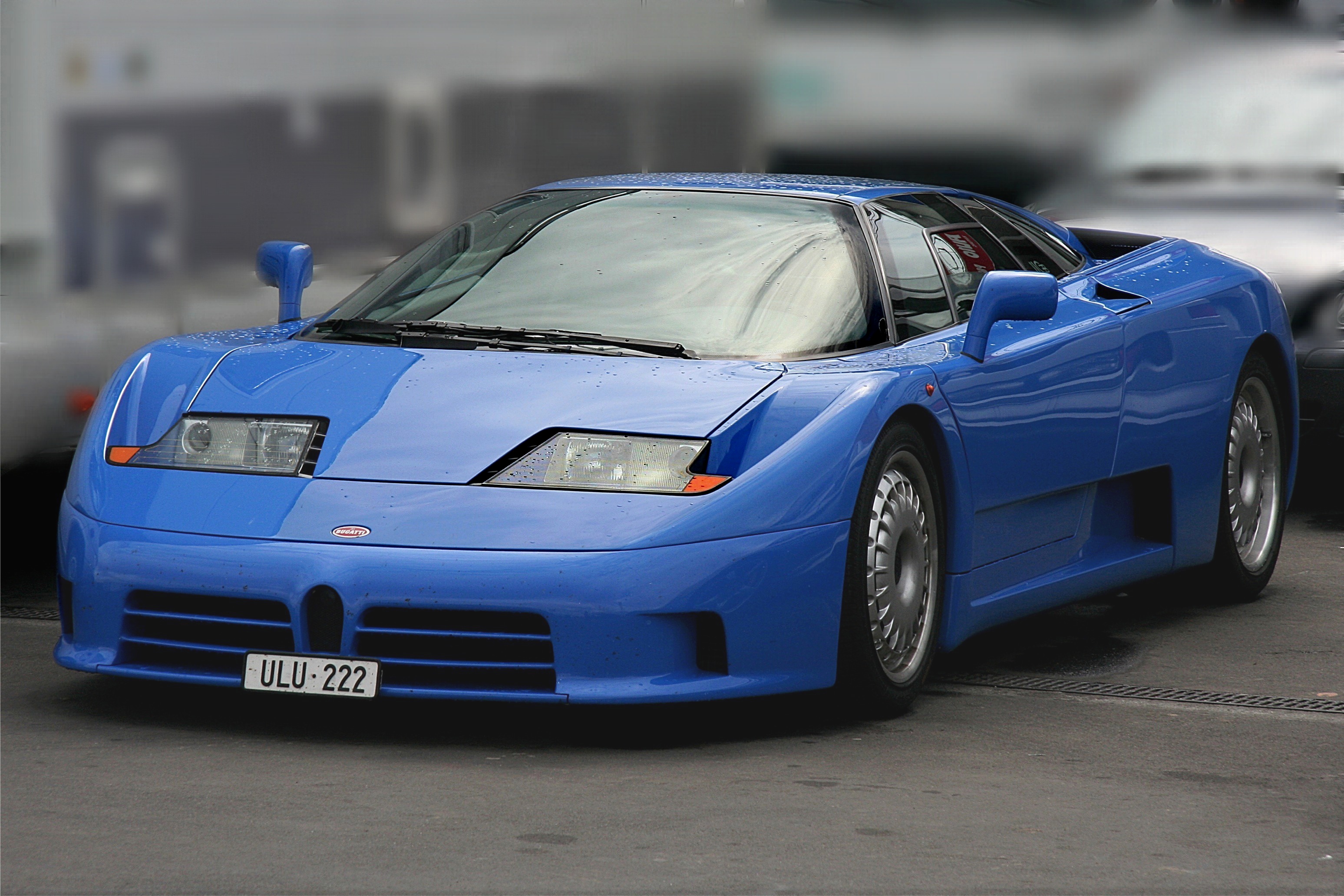
Bugatti EB110 Sporty Cars

Bugatti EB110 photo
Bugatti EB110 elegant car
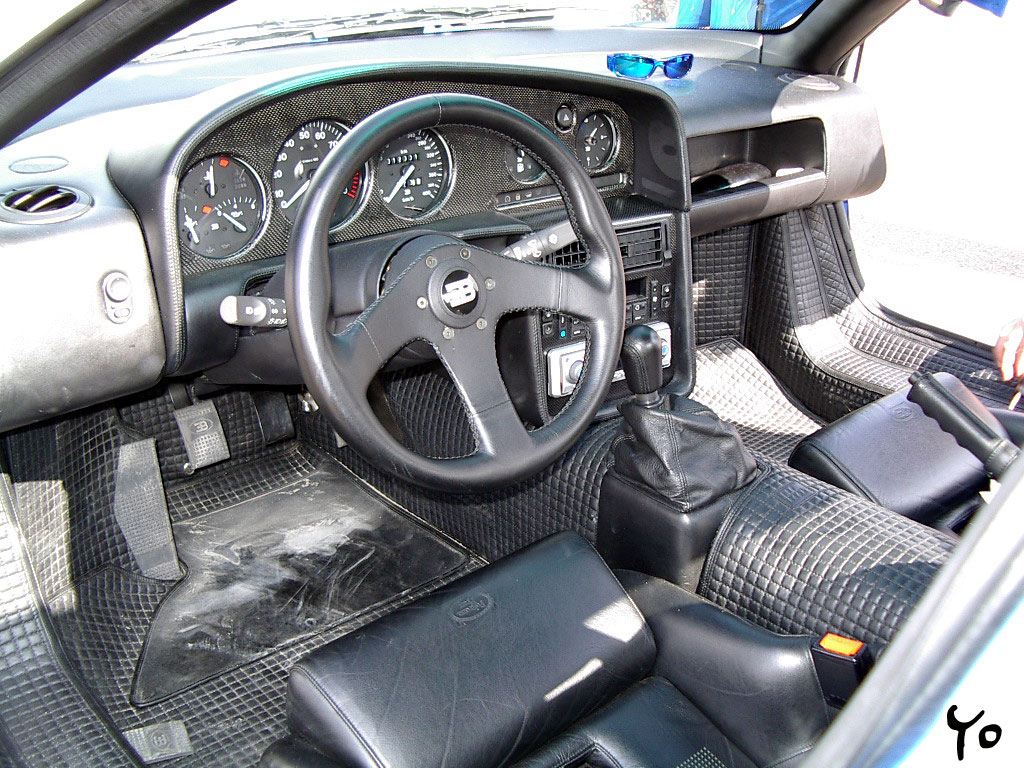
Bugatti EB110 dashboard
Bugatti EB110 picture

Bugatti Royale Wallpapers

Bugatti Royale front side view
Bugatti Royale back side view
Bugatti Royale wallpaper

Tuesday, June 15, 2010

Bugatti Veyron Wallpaper

Bugatti Veyron picture
Bugatti Veyron sport car
Bugatti Veyron photo

Tuesday, June 1, 2010

2009 Bugatti Sports Cars Veyron Type 35 Grand Prix Edition

In a highlight on this year’s agenda of centennial celebrations, Bugatti Automobiles S.A.S. presented four Bugatti Veyron specials at Villa d’Este Concorso d’Eleganza. These one off models are reminders of Bugatti’s glorious motor-racing history which played a central role in popularising and ultimately establishing the myth which the brand continues to enjoy to this day.
2009 Bugatti Sports Cars Veyron Type 35 Grand Prix Edition
The Bugatti brand is almost inextricably linked to the Type 35. The Type 35 Grand Prix was by far the most successful racing model. The unmistakable radiator grille and eight-spoke aluminum wheels of the Type 35 have become defining features of the Bugatti automobile. In its day, the Grand Prix was also well ahead of its time in terms of engineering ingenuity.
The front axle design of this vehicle, which, for reasons of weight minimization, is hollow, is a true masterpiece of workmanship and was deemed nothing less than revolutionary. Its springs were passed through the axle to produce a high level of stability. The Grand Prix’s brake drums were integrally fitted into its lightweight aluminum wheels. Unfastening the central wheel nut allowed the wheel to be easily removed within a matter of seconds and the brake to be exposed. This was a crucial advantage at the pit stop.
The blue racers made their first appearance on the race track at the Grand Prix held by Automobil Club de France in Lyon in 1924. In the decade that followed, they remained practically unchallenged thanks to sophisticated manufacturing efforts, their lightweight design and easy handling. During that ten-year era, they won almost 2000 races – more than any other model ever has.
Grand Prix races were highly fashionable events in those days, and Bugatti was not the only brand with considerable interest in substantiating the reputation of its products by winning races. In fact, in the 1920s, Europe was regularly host to a number of different races in different countries on a single weekend. The teams set up by different automobile manufacturers competed at popular race circuits such as Targa Florio, Le Mans, Monza and Spa as well as in Rome, Nice, Antibes and even a village in Alsace.
The main reason Bugatti won such an enormous number of races – on the back of which successes the brand was also able to forge its image – was the fact that Bugatti sold not only its normal sports and touring cars to private buyers, but its racing cars too. Thus it was that its automobiles took part in such a large number of Grand Prix events.
Tradition being what it is, the Bugatti Veyron Specials built to mark the 100th anniversary of the brand feature the racing colors of the respective countries: blue for France, red for Italy, green for England and white for Germany. Each of the four new Veyrons has a specific “predecessor” in the form of an original Grand Prix Bugatti on which it was modelled.
These four historic race cars represent the generation of legendary Bugatti Grand Prix racers which were piloted by world-famous race-car drivers and which scored countless racing victories in the 1920s and ‘30s. Each of the four Veyron Specials is named after a Bugatti race-car driver of the 1920s and 30s. Jean-Pierre Wimille has given the blue Veyron its name, Achille Varzi the red one, Malcolm Campbell the green one and Hermann zu Leiningen the white Veyron.
“We have put a lot of effort into translating colour and material, the defining characteristics of our historic role models, into the designs of the modern-day Veyrons,” explains Alasdair Stewart, Director Sales & Marketing at Bugatti Automobiles S.A.S. “We have taken extreme care to match the original colours of the original race cars, exterior and interior”
On Sunday, the four historic racing Type 35s and the four modern-day Centenaire Edition Veyrons will be exhibited alongside each other in the park of Villa Erba for the first and only time.
Ahead of that presentation, Bugatti will on Saturday be prominently represented in the park of Villa d’Este by a special-display-class exhibition of models, which will serve to portray the 100-year history of the brand. Bugatti’s participation in the classic Concorso d’Eleganza Villa d’Este at Lake Como will be the second highlight event to mark the carmaker’s centennial celebrations after it took part in the International Geneva Motor Show in early March.
This latest event will be followed by the Pebble Beach Concours d’Elegance in California in mid-August and the main celebratory event on 12 September in Molsheim (Alsace), which has been the home of this unparalleled automobile brand for 100 years.

2009 Bugatti Sports Cars Veyron Type 35 Grand Prix Edition

In a highlight on this year’s agenda of centennial celebrations, Bugatti Automobiles S.A.S. presented four Bugatti Veyron specials at Villa d’Este Concorso d’Eleganza. These one off models are reminders of Bugatti’s glorious motor-racing history which played a central role in popularising and ultimately establishing the myth which the brand continues to enjoy to this day.
2009 Bugatti Sports Cars Veyron Type 35 Grand Prix Edition
The Bugatti brand is almost inextricably linked to the Type 35. The Type 35 Grand Prix was by far the most successful racing model. The unmistakable radiator grille and eight-spoke aluminum wheels of the Type 35 have become defining features of the Bugatti automobile. In its day, the Grand Prix was also well ahead of its time in terms of engineering ingenuity.
The front axle design of this vehicle, which, for reasons of weight minimization, is hollow, is a true masterpiece of workmanship and was deemed nothing less than revolutionary. Its springs were passed through the axle to produce a high level of stability. The Grand Prix’s brake drums were integrally fitted into its lightweight aluminum wheels. Unfastening the central wheel nut allowed the wheel to be easily removed within a matter of seconds and the brake to be exposed. This was a crucial advantage at the pit stop.
The blue racers made their first appearance on the race track at the Grand Prix held by Automobil Club de France in Lyon in 1924. In the decade that followed, they remained practically unchallenged thanks to sophisticated manufacturing efforts, their lightweight design and easy handling. During that ten-year era, they won almost 2000 races – more than any other model ever has.
Grand Prix races were highly fashionable events in those days, and Bugatti was not the only brand with considerable interest in substantiating the reputation of its products by winning races. In fact, in the 1920s, Europe was regularly host to a number of different races in different countries on a single weekend. The teams set up by different automobile manufacturers competed at popular race circuits such as Targa Florio, Le Mans, Monza and Spa as well as in Rome, Nice, Antibes and even a village in Alsace.
The main reason Bugatti won such an enormous number of races – on the back of which successes the brand was also able to forge its image – was the fact that Bugatti sold not only its normal sports and touring cars to private buyers, but its racing cars too. Thus it was that its automobiles took part in such a large number of Grand Prix events.
Tradition being what it is, the Bugatti Veyron Specials built to mark the 100th anniversary of the brand feature the racing colors of the respective countries: blue for France, red for Italy, green for England and white for Germany. Each of the four new Veyrons has a specific “predecessor” in the form of an original Grand Prix Bugatti on which it was modelled.
These four historic race cars represent the generation of legendary Bugatti Grand Prix racers which were piloted by world-famous race-car drivers and which scored countless racing victories in the 1920s and ‘30s. Each of the four Veyron Specials is named after a Bugatti race-car driver of the 1920s and 30s. Jean-Pierre Wimille has given the blue Veyron its name, Achille Varzi the red one, Malcolm Campbell the green one and Hermann zu Leiningen the white Veyron.
“We have put a lot of effort into translating colour and material, the defining characteristics of our historic role models, into the designs of the modern-day Veyrons,” explains Alasdair Stewart, Director Sales & Marketing at Bugatti Automobiles S.A.S. “We have taken extreme care to match the original colours of the original race cars, exterior and interior”
On Sunday, the four historic racing Type 35s and the four modern-day Centenaire Edition Veyrons will be exhibited alongside each other in the park of Villa Erba for the first and only time.
Ahead of that presentation, Bugatti will on Saturday be prominently represented in the park of Villa d’Este by a special-display-class exhibition of models, which will serve to portray the 100-year history of the brand. Bugatti’s participation in the classic Concorso d’Eleganza Villa d’Este at Lake Como will be the second highlight event to mark the carmaker’s centennial celebrations after it took part in the International Geneva Motor Show in early March.
This latest event will be followed by the Pebble Beach Concours d’Elegance in California in mid-August and the main celebratory event on 12 September in Molsheim (Alsace), which has been the home of this unparalleled automobile brand for 100 years.
Related Posts Plugin for WordPress, Blogger...
 

blogger templates | Blogger