Showing posts with label nissan leaf. Show all posts

Sunday, July 4, 2010

Nissan LEAF Connected mobility

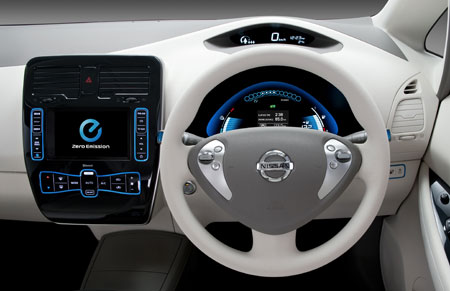
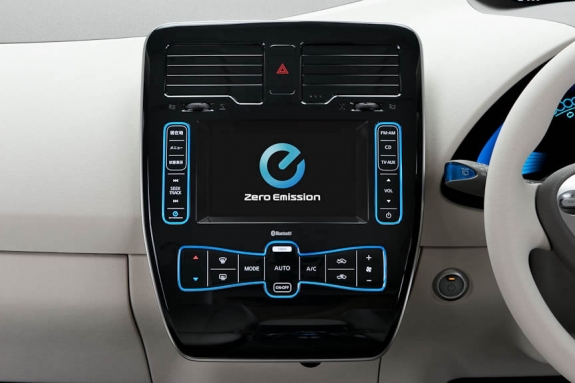
Nissan Leaf will employ an advanced IT system. Connected to a global data center, the system provides support, information, and entertainment for drivers 24 hours a day. The dash-mounted monitor displays the Leaf's remaining power, in addition to showing a selection of nearby charging stations. The display will also indicate how many of the charging points are available as well as if they are the standard 220v or the high-speed 440v type.

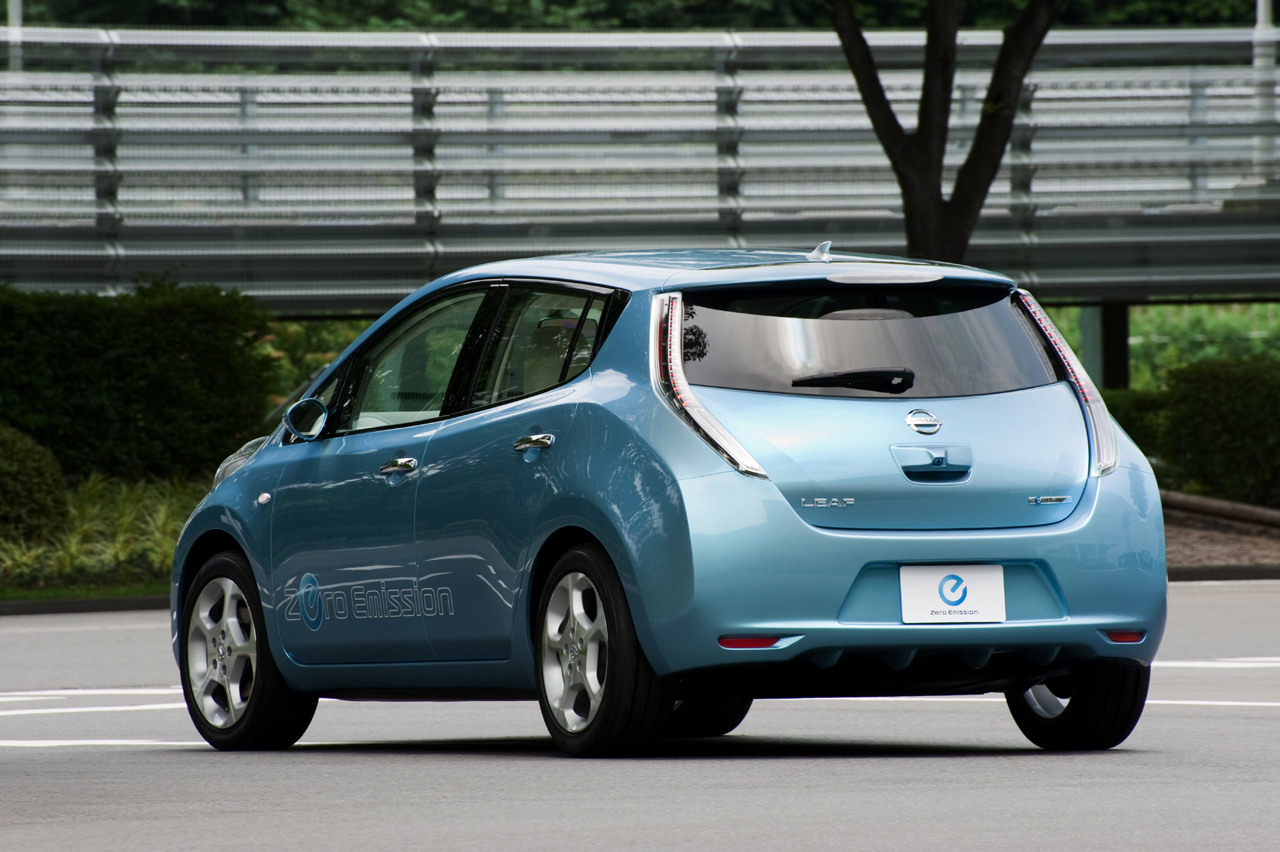
Users' mobile phones can be used to turn on air-conditioning, the heater and re-set charging functions even when the vehicle is powered down. This can be used to pre-heat or pre-cool the car prior to use. The advantage of doing this while still connected is so it does not discharge the battery and sets the climate before use. An on-board remote-controlled timer can also be pre-programmed to recharge batteries at a set time eg. during off-peak rates. The car has a small solar panel at the rear of the roof that can trickle charge the battery.


Nissan LEAF
Nissan LEAF

Nissan LEAF
Nissan LEAF

Nissan LEAF
Nissan LEAF

Nissan LEAF
Nissan LEAF

Nissan LEAF


Nissan LEAF
Nissan LEAF

Nissan LEAF
Nissan LEAF

Nissan LEAF
Nissan LEAF

Nissan LEAF
Nissan LEAF

Nissan LEAF
Nissan LEAF

Nissan LEAF
Nissan LEAF

Nissan LEAF
Nissan LEAF

Nissan LEAF
Nissan LEAF

Nissan LEAF
Nissan LEAF

Nissan LEAF
Nissan LEAF


All Review videos and more of:• Infiniti• Mitsubishi• Aston Martin• Isuzu• Nissan• Audi• Jaguar • Pontiac• Bentley• Jeep• Porsche• BMW• Kia• Rolls Royce• Buick• Lamborghini• Saab• Cadillac• Land Rover• Saturn• Chevrolet• Lexus• Scion• Chrysler• Lincoln• Smart• Dodge• Lotus• Subaru• Ferrari• Maserati• Suzuki• Ford• Maybach• Tesla• GMC• Mazda• Toyota• Honda• Mercedes-Benz• Volkswagen• HUMMER• Mercury• Volvo• Hyundai• MINI.and MORE....

Sunday, April 25, 2010

nissan leaf cars


The Nissan Leaf, set to be released in select US markets by the end of this year, will be priced at around $25,000 after a $7,500 federal tax credit. This will be about $7,500 less than the Chevy Volt after tax credits, which will be released about a month beforehand. In the upcoming weeks, people will be able to make refundable $100 dollar deposits on the Leaf. So far there has been an overwhelming interest in this compact four door hatchback with a 100 mile electric range. Nationwide availability will begin in 2011. Nissan sounds pretty serious about an electric future, and we think they are right
nissan leaf
nissan leaf
nissan leaf inerior
nissan leaf interior
nissan leaf

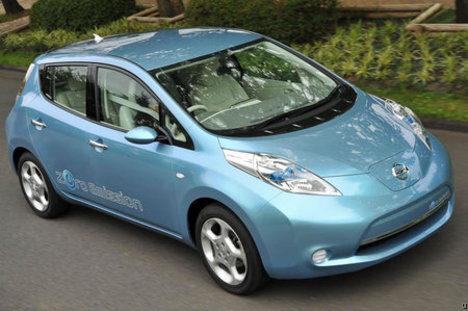
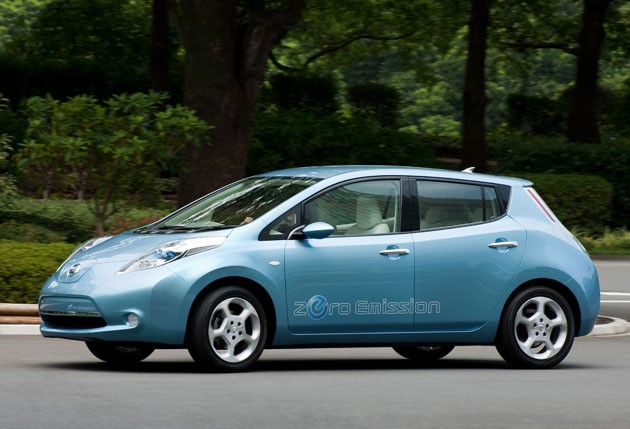
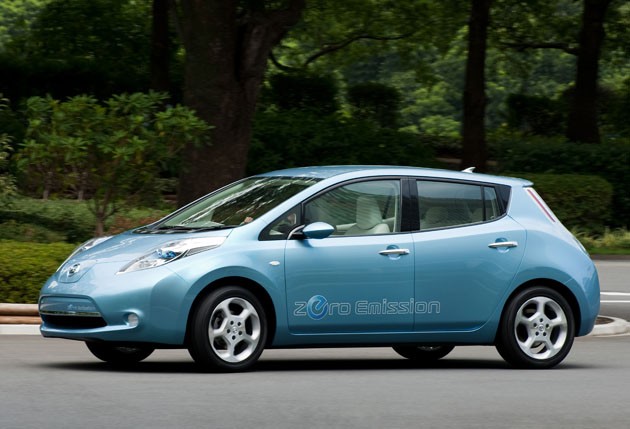
Nissan has unveiled their first affordable, zero-emission car. Titled the Nissan LEAF, it is a “medium-size hatchback” that comfortably seats five adults and has a range of more than 160 km to satisfy real-world consumer requirements. And the most interesting part is it is almost ready for production, and slated for consumer release in late 2010.

Pricing details will be announced closer to start of sales, but Nissan expects the LEAF to be competitively priced in the range of a well-equipped compact vehicle. As an added benefit, because the vehicle has less mechanical complexity than a traditional petrol-powered car, Nissan says the car will require less maintenance.

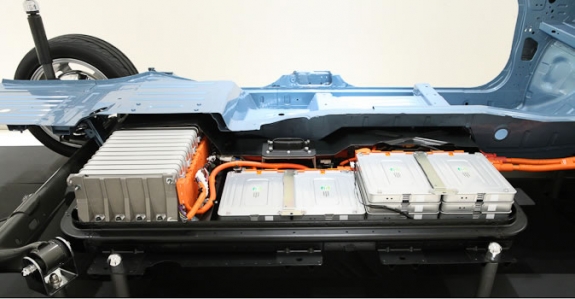
The Nissan LEAF is powered by “laminated” compact lithium-ion batteries, which generate power output of over 90 kW, while its electric motor delivers 80kW, equivalent to 280 Nm.

Unlike regular vehicles, the Nissan LEAF’s powertrain has no tail pipe, and thus has no emissions of CO2 or other greenhouse gases. A combination of the LEAF’s regenerative braking system and innovative lithium-ion battery packs enables the car to deliver a driving range of more than 160 km on one full charge, enough for a few days of driving. However, top speed is a bit over 140 kph.

The Nissan LEAF can be charged up to 80% of its full capacity in just under 30 minutes with a quick charger. Charging at home through a 200V outlet is estimated to take approximately eight hours, convenient only as an overnight option.

The LED headlights provide yet one more benefit in that they consume just 10% of the electricity of conventional lamps.

Nissan LEAF employs an exclusive advanced IT system. Connected to a global data centre, the system can provide support, information, and entertainment for drivers 24 hours a day.


The dash-mounted monitor displays Nissan LEAF’s remaining power, or “reachable area,” in addition to showing a selection of nearby charging stations.

Another state-of-the-art feature is the ability to use mobile phones to turn on air-conditioning and set charging functions – even when Nissan LEAF is powered down. An on-board remote-controlled timer can also be pre-programmed to recharge batteries.

The first of Nissan’s EVs will be manufactured in Japan, with additional capacity planned for U.S. plants. Meanwhile, lithium-ion batteries are being produced in Japan, with additional capacity planned for the USA, the UK and Portugal, and other sites for investment are under study around the world. Plans include sales only in Japan, Europe and the United States, where it should easily undercut the hyped Chevrolet Volt and Tesla Sedan that will debut at around the same time. Nissan’s only problem would be convincing people to buy a car called LEAF.

nissan leaf cars


The Nissan Leaf, set to be released in select US markets by the end of this year, will be priced at around $25,000 after a $7,500 federal tax credit. This will be about $7,500 less than the Chevy Volt after tax credits, which will be released about a month beforehand. In the upcoming weeks, people will be able to make refundable $100 dollar deposits on the Leaf. So far there has been an overwhelming interest in this compact four door hatchback with a 100 mile electric range. Nationwide availability will begin in 2011. Nissan sounds pretty serious about an electric future, and we think they are right
nissan leaf
nissan leaf
nissan leaf inerior
nissan leaf interior
nissan leaf

Nissan has unveiled their first affordable, zero-emission car. Titled the Nissan LEAF, it is a “medium-size hatchback” that comfortably seats five adults and has a range of more than 160 km to satisfy real-world consumer requirements. And the most interesting part is it is almost ready for production, and slated for consumer release in late 2010.

Pricing details will be announced closer to start of sales, but Nissan expects the LEAF to be competitively priced in the range of a well-equipped compact vehicle. As an added benefit, because the vehicle has less mechanical complexity than a traditional petrol-powered car, Nissan says the car will require less maintenance.

The Nissan LEAF is powered by “laminated” compact lithium-ion batteries, which generate power output of over 90 kW, while its electric motor delivers 80kW, equivalent to 280 Nm.

Unlike regular vehicles, the Nissan LEAF’s powertrain has no tail pipe, and thus has no emissions of CO2 or other greenhouse gases. A combination of the LEAF’s regenerative braking system and innovative lithium-ion battery packs enables the car to deliver a driving range of more than 160 km on one full charge, enough for a few days of driving. However, top speed is a bit over 140 kph.

The Nissan LEAF can be charged up to 80% of its full capacity in just under 30 minutes with a quick charger. Charging at home through a 200V outlet is estimated to take approximately eight hours, convenient only as an overnight option.

The LED headlights provide yet one more benefit in that they consume just 10% of the electricity of conventional lamps.

Nissan LEAF employs an exclusive advanced IT system. Connected to a global data centre, the system can provide support, information, and entertainment for drivers 24 hours a day.


The dash-mounted monitor displays Nissan LEAF’s remaining power, or “reachable area,” in addition to showing a selection of nearby charging stations.

Another state-of-the-art feature is the ability to use mobile phones to turn on air-conditioning and set charging functions – even when Nissan LEAF is powered down. An on-board remote-controlled timer can also be pre-programmed to recharge batteries.

The first of Nissan’s EVs will be manufactured in Japan, with additional capacity planned for U.S. plants. Meanwhile, lithium-ion batteries are being produced in Japan, with additional capacity planned for the USA, the UK and Portugal, and other sites for investment are under study around the world. Plans include sales only in Japan, Europe and the United States, where it should easily undercut the hyped Chevrolet Volt and Tesla Sedan that will debut at around the same time. Nissan’s only problem would be convincing people to buy a car called LEAF.

nissan leaf cars


The Nissan Leaf, set to be released in select US markets by the end of this year, will be priced at around $25,000 after a $7,500 federal tax credit. This will be about $7,500 less than the Chevy Volt after tax credits, which will be released about a month beforehand. In the upcoming weeks, people will be able to make refundable $100 dollar deposits on the Leaf. So far there has been an overwhelming interest in this compact four door hatchback with a 100 mile electric range. Nationwide availability will begin in 2011. Nissan sounds pretty serious about an electric future, and we think they are right
nissan leaf
nissan leaf
nissan leaf inerior
nissan leaf interior
nissan leaf

Nissan has unveiled their first affordable, zero-emission car. Titled the Nissan LEAF, it is a “medium-size hatchback” that comfortably seats five adults and has a range of more than 160 km to satisfy real-world consumer requirements. And the most interesting part is it is almost ready for production, and slated for consumer release in late 2010.

Pricing details will be announced closer to start of sales, but Nissan expects the LEAF to be competitively priced in the range of a well-equipped compact vehicle. As an added benefit, because the vehicle has less mechanical complexity than a traditional petrol-powered car, Nissan says the car will require less maintenance.

The Nissan LEAF is powered by “laminated” compact lithium-ion batteries, which generate power output of over 90 kW, while its electric motor delivers 80kW, equivalent to 280 Nm.

Unlike regular vehicles, the Nissan LEAF’s powertrain has no tail pipe, and thus has no emissions of CO2 or other greenhouse gases. A combination of the LEAF’s regenerative braking system and innovative lithium-ion battery packs enables the car to deliver a driving range of more than 160 km on one full charge, enough for a few days of driving. However, top speed is a bit over 140 kph.

The Nissan LEAF can be charged up to 80% of its full capacity in just under 30 minutes with a quick charger. Charging at home through a 200V outlet is estimated to take approximately eight hours, convenient only as an overnight option.

The LED headlights provide yet one more benefit in that they consume just 10% of the electricity of conventional lamps.

Nissan LEAF employs an exclusive advanced IT system. Connected to a global data centre, the system can provide support, information, and entertainment for drivers 24 hours a day.


The dash-mounted monitor displays Nissan LEAF’s remaining power, or “reachable area,” in addition to showing a selection of nearby charging stations.

Another state-of-the-art feature is the ability to use mobile phones to turn on air-conditioning and set charging functions – even when Nissan LEAF is powered down. An on-board remote-controlled timer can also be pre-programmed to recharge batteries.

The first of Nissan’s EVs will be manufactured in Japan, with additional capacity planned for U.S. plants. Meanwhile, lithium-ion batteries are being produced in Japan, with additional capacity planned for the USA, the UK and Portugal, and other sites for investment are under study around the world. Plans include sales only in Japan, Europe and the United States, where it should easily undercut the hyped Chevrolet Volt and Tesla Sedan that will debut at around the same time. Nissan’s only problem would be convincing people to buy a car called LEAF.
Related Posts Plugin for WordPress, Blogger...
 

blogger templates | Blogger